What Ceramic Coating Actually Does
Ceramic coating isn’t a miracle shield. It’s a liquid polymer that bonds to your clear coat and forms a hard, semi-permanent layer of chemical protection. It guards against UV fading, tree sap, bird droppings, water spots, and the fine road grime that eventually dulls a paint job. It also makes the car dramatically easier to wash — dirt and water bead up and slide off instead of sticking.
What it won’t do is stop a rock chip, a door ding, or a shopping cart in a parking lot. If someone tells you ceramic coating makes your paint indestructible, they’re selling you something. It’s chemical protection, not armor.
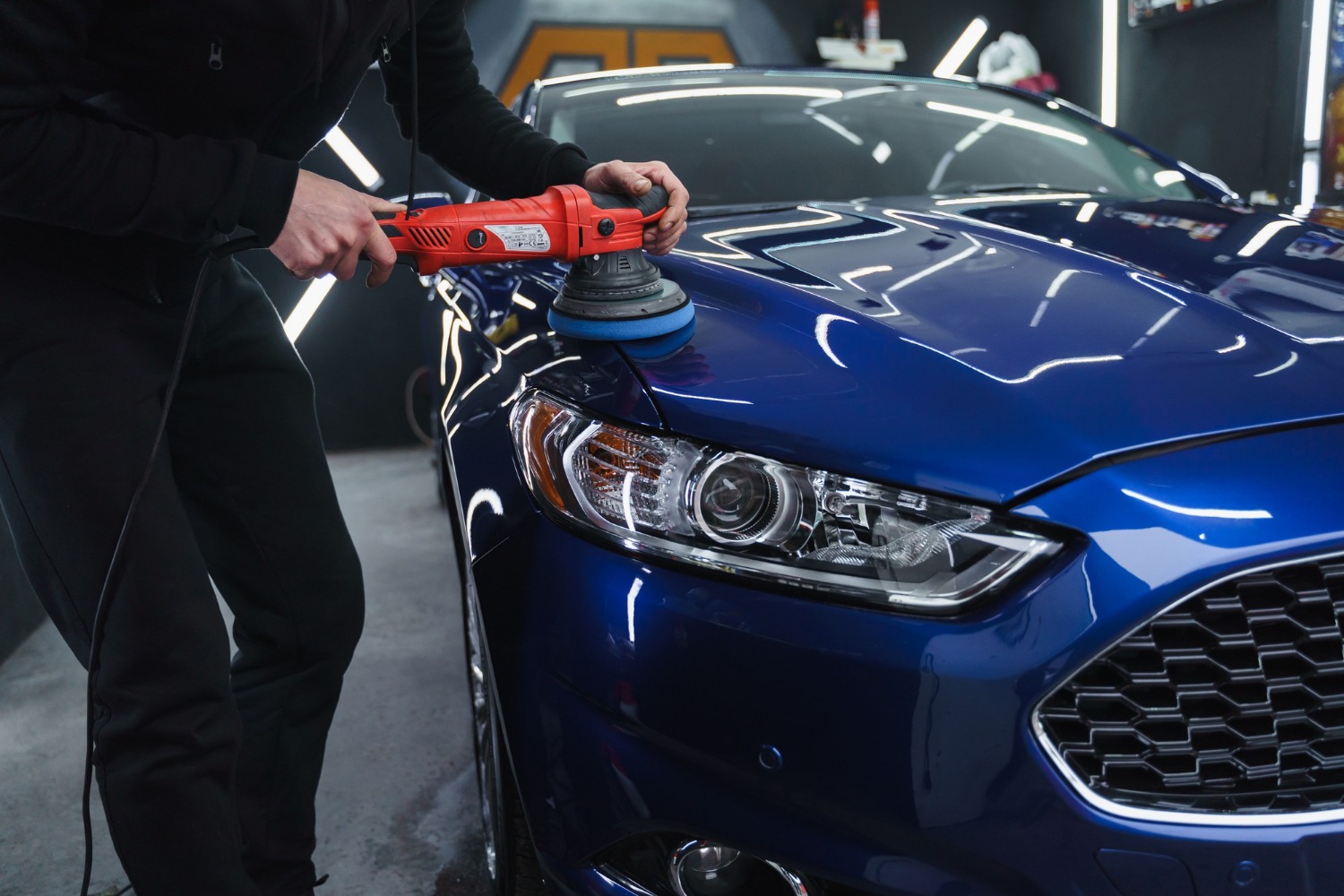
There’s also a real difference between a professionally applied ceramic coating and the spray-on bottle you’ll find at an auto parts store. The spray-on products are closer to a very good wax — they last weeks, not years, and they don’t bond the same way. A professional application, done right, involves paint decontamination and often correction before the coating ever goes on, which is a big part of why the results (and the price) are different.
When It’s Worth It
Ceramic coating earns its cost in a few specific situations:
If you’re driving something worth $50K or more and plan to keep it for two years or longer, the math tends to work in your favour. If you park outside rather than in a garage, the coating is doing real work every single day. If you live in BC — where rain, road salt in the winter, and tree sap in the summer are just part of life — a coated car simply looks better, longer, with less effort. And if you’re planning to sell in a year or two, a well-maintained ceramic coat helps protect resale value, because paint condition is one of the first things a buyer notices.
When It’s Not Worth It
We’d rather talk you out of it than take the money and let you find out later. Skip it if your paint already has swirl marks or damage — you’ll need paint correction first, or you’re just sealing in imperfections. Skip it if you’re on a short-term lease you’re handing back in a year. And skip it if you’re planning to sell the car within the next six months; you likely won’t recover the cost in that window. Being upfront about this is part of why customers keep coming back to our Auto Spa team.
“If your paint isn’t in good shape to begin with, coating it just locks in the problem.”
How Much It Costs
Professional ceramic coating typically runs $500 to $2,500 depending on the package, the size of the vehicle, and whether paint correction is included beforehand. Multi-year coatings with warranty backing sit at the higher end of that range. EMG’s Auto Spa offers ceramic coating packages for both new purchases and existing owners — ask our team for current pricing when you book a visit. If you’re buying a vehicle from us, ceramic coating can often be added as part of the purchase.
Ceramic Coating on Different Luxury Vehicles
Not all paint is the same, and that changes the case for coating. Mercedes-Benz factory paint is known for being on the softer side, which means it marks and swirls more easily — ceramic coating is especially valuable here because it adds a hard protective layer over a paint that needs it. Porsche uses a harder clear coat that resists scratching better on its own, but coating still pays off through easier maintenance and long-term UV protection. Range Rovers have a huge amount of flat panel surface area, which makes them magnets for bird droppings and tree sap — exactly the kind of contamination ceramic coating is built to shrug off.
So — is ceramic coating worth it in 2026? For a $50K+ vehicle you’re keeping for a while, parked outside, in a wet coastal climate like ours: almost always yes. For a lease you’re returning next spring: save your money. Everything in between comes down to how long you’re keeping the car and how much you care about it looking the way it did the day you bought it.