You wash your car every so often. Maybe you vacuum it out before a road trip. But there’s a big difference between a quick clean and professional detailing — and if you’ve never experienced the difference, it’s worth understanding what you’re missing.
It’s Not Just About Looking Good
A clean car feels good to drive, but professional detailing does more than boost curb appeal. It actively protects the investment you’ve made in your vehicle.
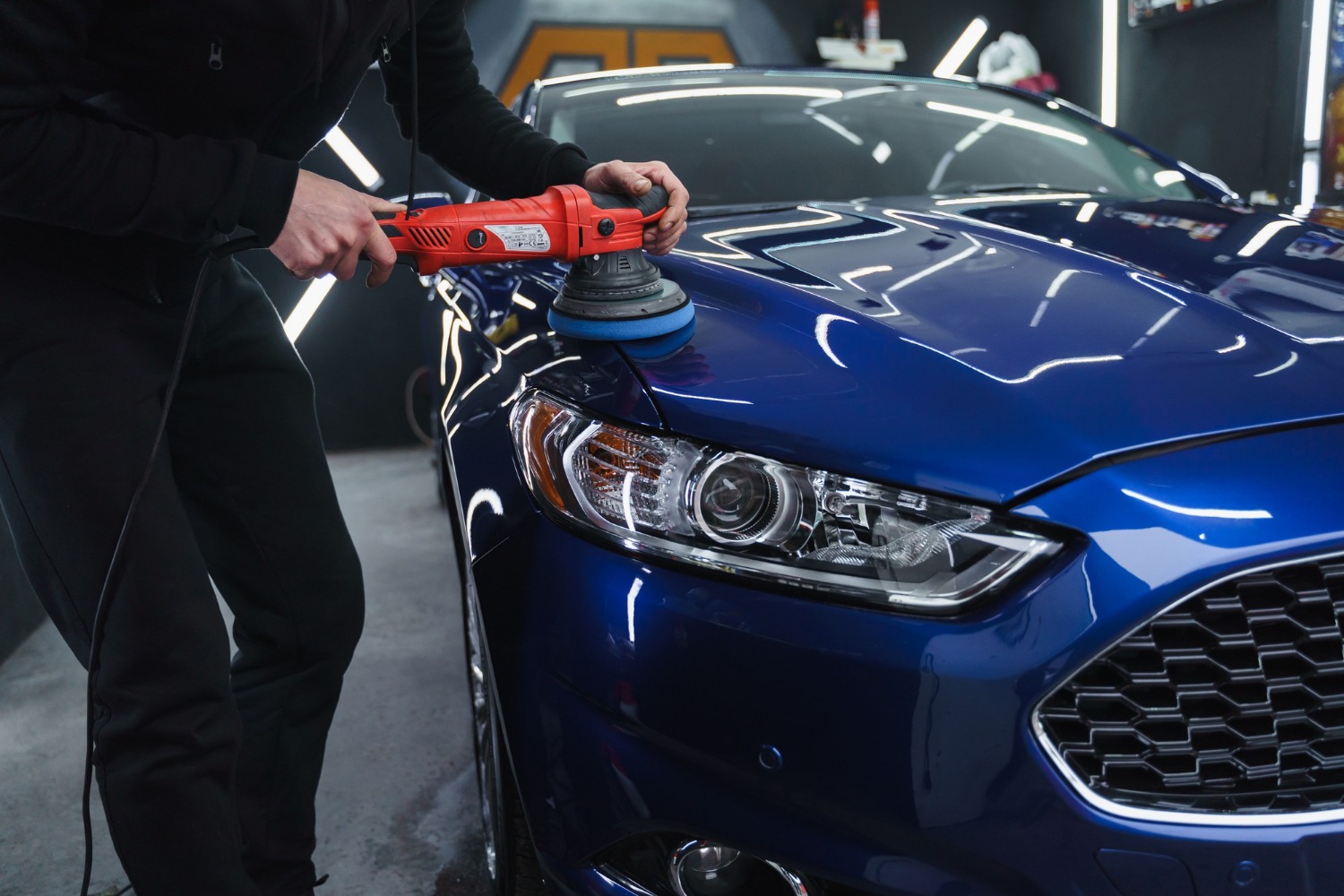
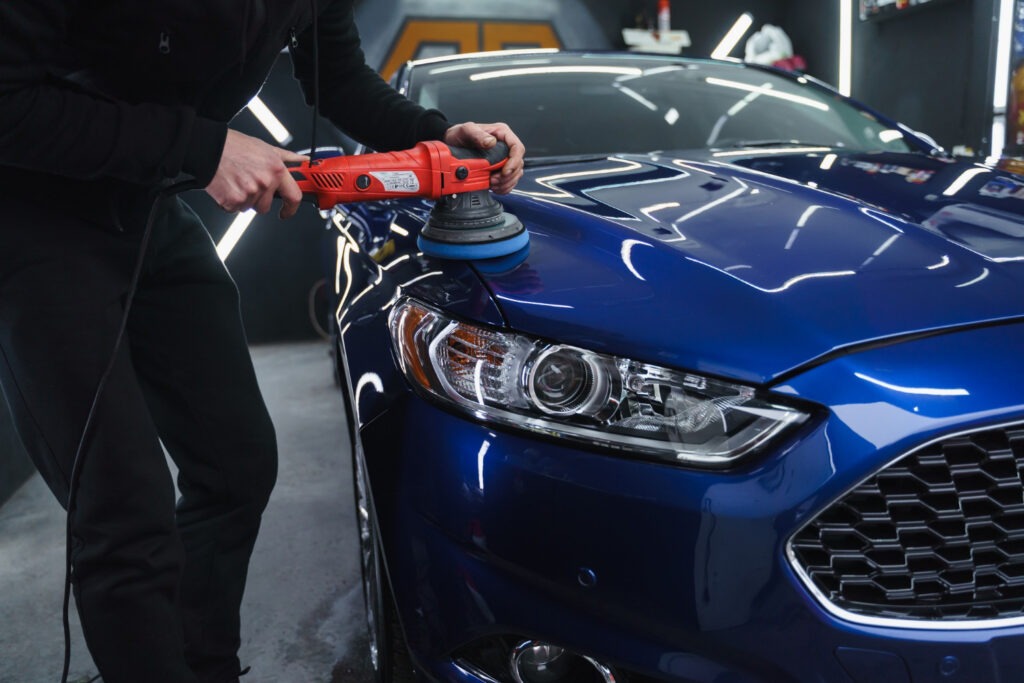
Paint protection. Dirt, road salt, UV rays, and bird droppings all slowly damage your paint’s clear coat. Regular detailing — especially with a ceramic coating — creates a barrier that protects against these everyday hazards.
Interior preservation. UV rays fade and crack dashboards and leather seats over time. Interior detailing includes UV-protectant treatments that keep your cabin looking newer, longer.
Resale value. When it’s time to sell or trade in, a well-maintained interior and exterior can meaningfully increase what a buyer is willing to pay — or what a dealership will offer you.
What Pro-Ceramic Coating Actually Does
Ceramic coatings have become one of the most requested detailing services, and for good reason:
- Creates a hydrophobic surface, so water and grime bead off instead of sticking
- Adds a layer of UV and chemical resistance beyond what wax provides
- Reduces the frequency and effort needed for regular washing
- Keeps that “just detailed” shine lasting for months, not days
How Often Should You Detail Your Car?
For most daily drivers, a full interior and exterior detail every 3–4 months keeps your vehicle in top condition. If you’re regularly exposed to road salt (hello, Lower Mainland winters), harsh sun, or you have kids or pets using the car often, more frequent detailing helps protect your investment.
DIY vs. Professional Detailing
A home wash and vacuum is fine for regular upkeep, but professional detailing goes deeper — clay bar treatments to remove embedded contaminants, steam cleaning for upholstery, engine bay cleaning, and coatings that simply aren’t available in a driveway kit. The tools and products professionals use are also formulated to avoid the swirl marks and damage that improper washing can cause.